As we said in the introduction, you have to prepare your observation before looking at the sky. At first it is not easy to recognize the stars and find the planets.
If you want to observe the sky with the naked eye and recognize the constellations or even observe the sky with the telescope, I advise you to buy at least an atlas of the sky (book or computer program) which will explain to you in detail, with photographs and drawings, the different constellations and will describe all the objects (stars, nebulae, galaxies) that you can observe.
You can also buy a mobile map of the sky or a world map that will allow you to simulate the appearance of the sky depending on where you observe, the date and time of observation. There are also computer programs. You will see, in a few weeks you will quickly recognize the main constellations and after a year you may not even need your map because you will know the sky by heart.
When the night is clear and without the Moon there are at least 5000 stars in the sky and you will need to consult an atlas or a chart of the sky to find you and find the objects you are looking for. It is only after several years of observation that you will know the constellations well but you will always need an atlas to find the galaxies and the nebulae.
Before going to observe, take an atlas of the sky and note a dozen objects (stars or constellations) that you want to observe. Study how you can find them by jumping from one star to another. Draw the constellations on a sheet of paper to memorize their shapes and dimensions. Note also the time when the planets rise to the east and lie to the west.
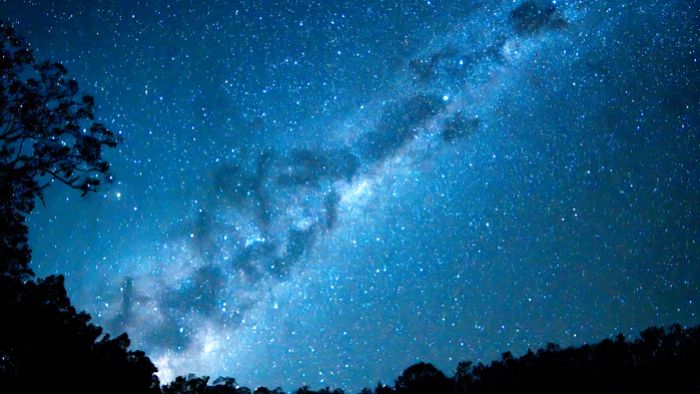
Try to know by reading astronomy books or on the Internet what are the colors of the different stars that you will observe, what are their names and their size, if they are possibly double or variable stars.
As you will probably need to read a map of the sky during the night, to avoid being dazzled by the light, place a red light bulb in your flashlight or a transparent red plastic sheet on the lamp.
Take a large bag and put all your equipment and a few small practical observation books like the one on the right. Take binoculars with you as well as what to eat (sandwiches or cookies) and a hot drink. If you want to watch the shooting stars take with you paper, what to write, possibly a compass and a stopwatch to determine the direction and duration of the phenomenon.
If you observe the sky in autumn or winter dress warmly because there is a risk of moisture, the ground may get wet or there may be snow on the ground.
At night, never go alone in nature with friends or girlfriends you know. Always be accompanied by an adult who can take care of carrying all your material and find the way home if you get lost.
- Get link
- X
- Other Apps
- Get link
- X
- Other Apps
Comments
Post a Comment